Menu
From the counter
Breads and cakes from the machine age, flavours of Gyeongseong, and a zero-proof soda fountain. Each item carries its piece of history, and modern favourites are labelled as modern.
Test menu. Items may change; prices will follow once recipes are costed.
Photos are concept images to show each item, not pictures of our own baking.
Morning breads
- 1870s
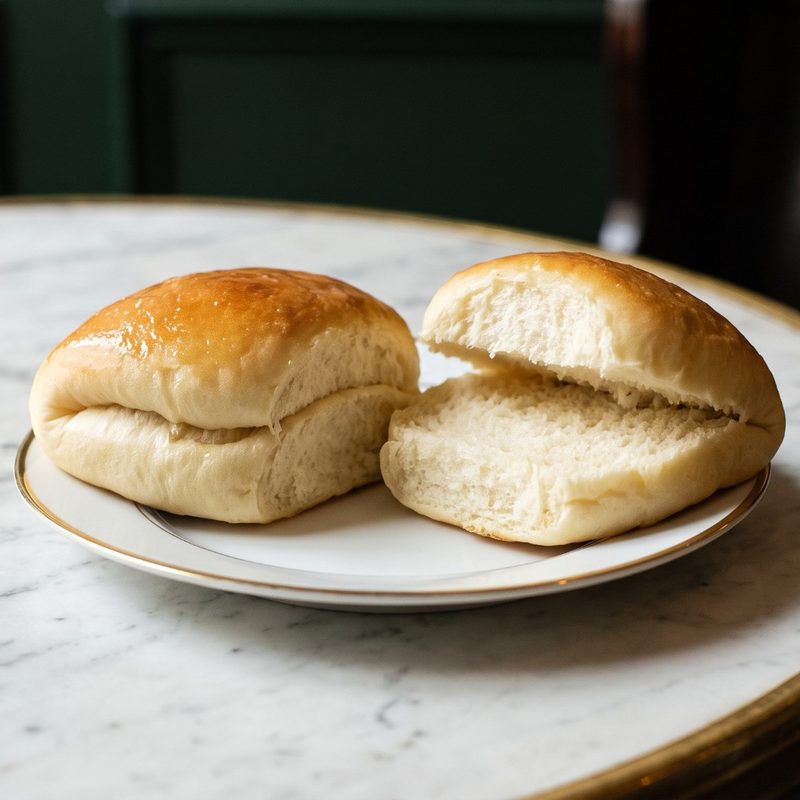
Parker House Butter Rolls
Folded, buttery dinner rolls, two to an order.
Named for the Parker House hotel in Boston, which opened in 1855. The hotel traces the roll to its own kitchens in the following decades, and a recipe under the name was in print by 1874. The story of an angry baker tossing unfinished rolls into the oven is hotel legend, not record.
- 1928
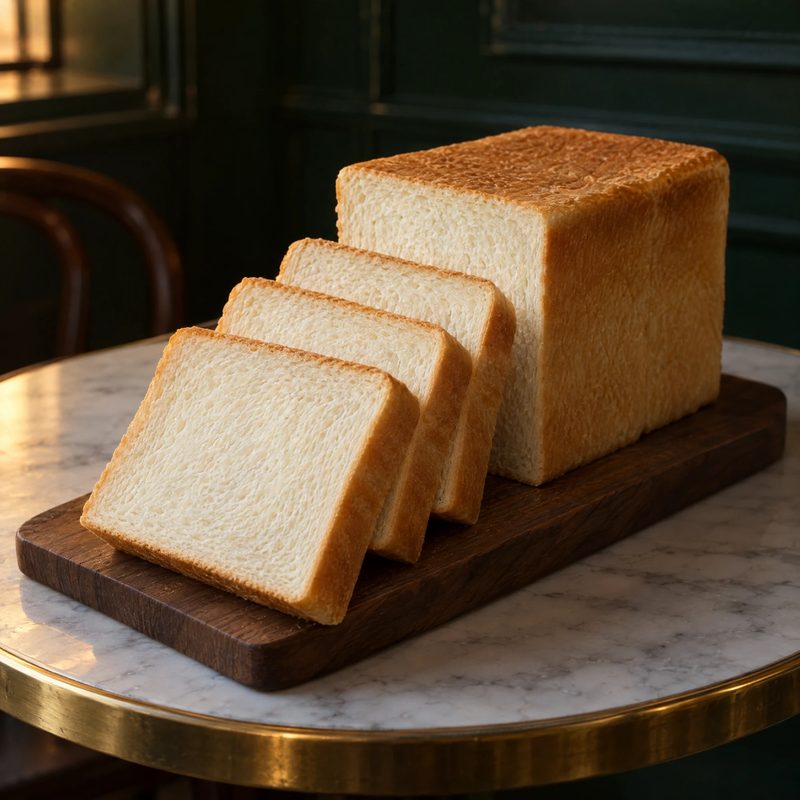
1928 Sliced Milk Loaf
A milk loaf sliced to order at the counter.
Machine-sliced bread was first sold commercially on 7 July 1928 by the Chillicothe Baking Company in Missouri. The day before, the local newspaper announced it and carried an advertisement calling it "the greatest forward step in the baking industry since bread was wrapped."
- 1920s
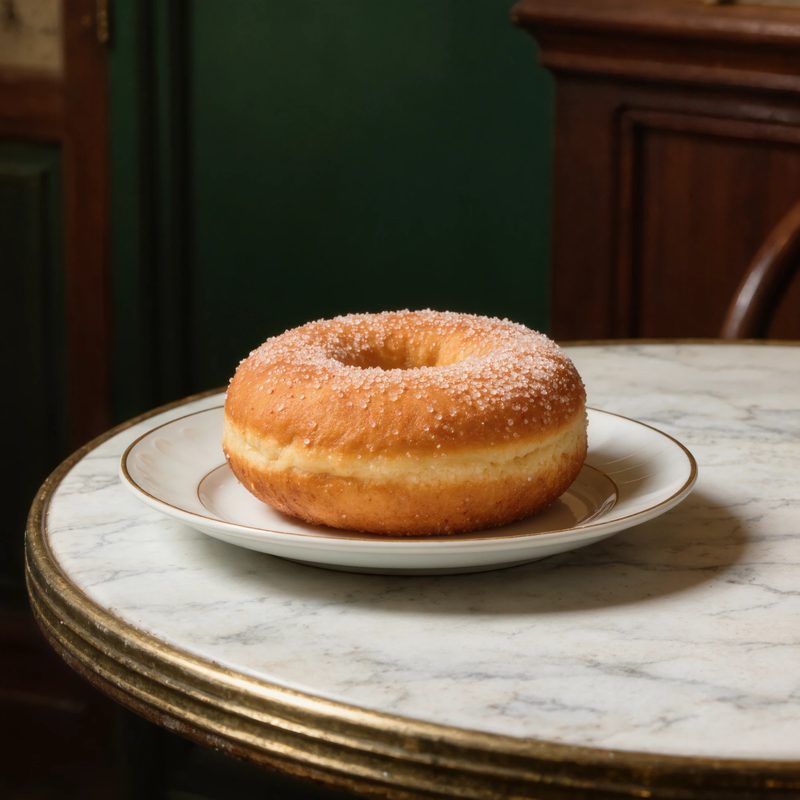
Machine-Age Sugar Ring
A classic ring doughnut, fried where you can watch.
In 1920 a Russian-born baker in Harlem, New York, began frying doughnuts in his shop window. The crowds who stopped to watch led him to build an automatic doughnut machine, completed around 1921, and doughnut-making as a window spectacle spread across the country.
- Today
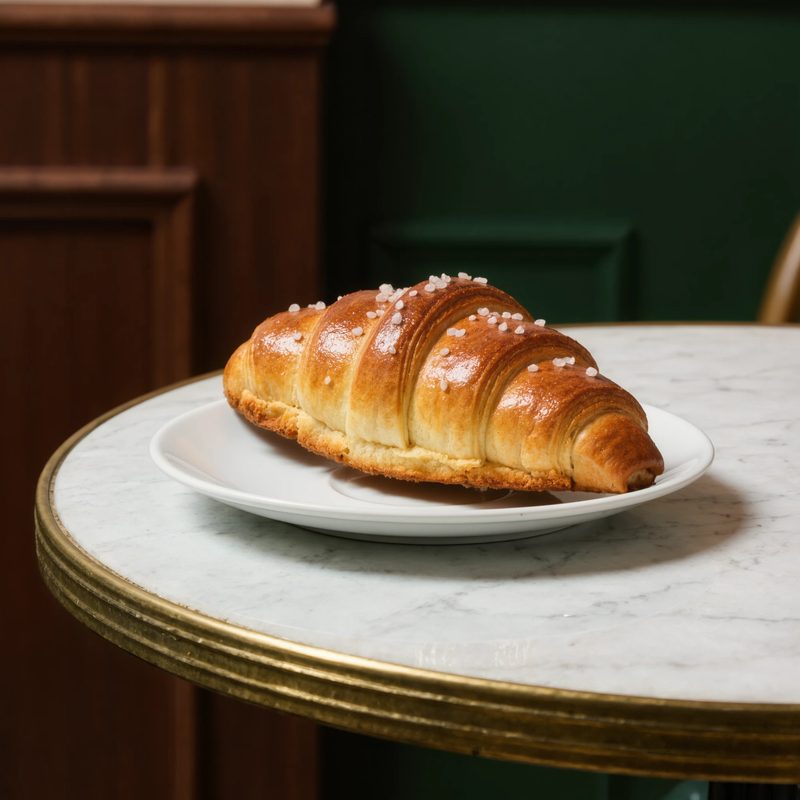
Salt Roll
A buttery salt bread.
Openly modern. Salt bread (shio-pan) was developed around 2003 at a bakery in Yawatahama, Ehime Prefecture, Japan, and went on sale there in 2004. In the first half of 2025 it was Korea's best-selling bakery item.
Pastries
- 1925
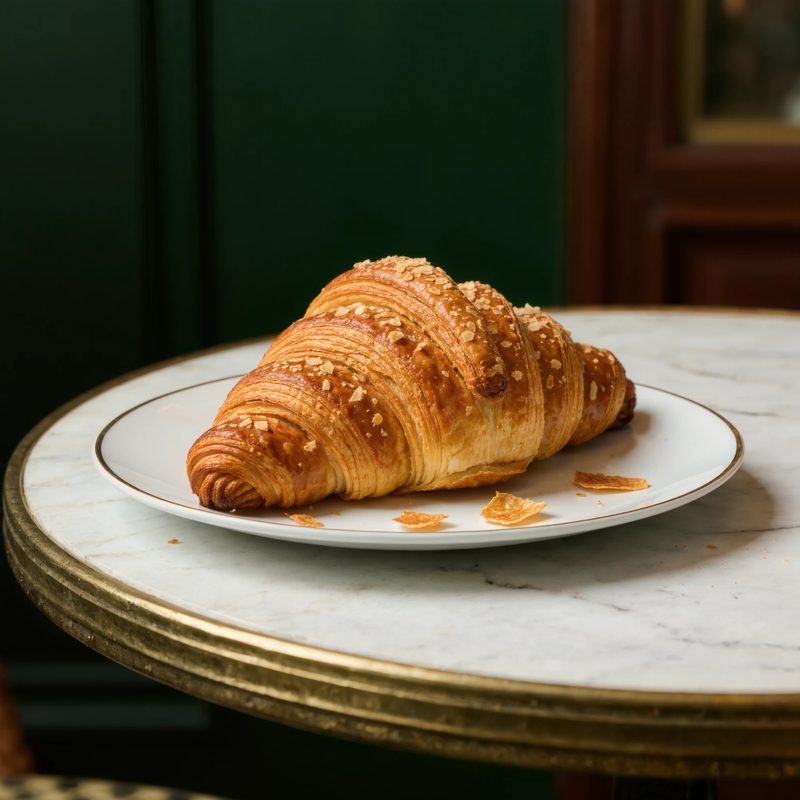
Paris 1925 Croissant
A classic all-butter croissant.
In 1838 or 1839 August Zang, an Austrian, opened a Viennese bakery in Paris whose crescent-shaped kipferl inspired French imitators. The flaky, laminated croissant is a later French development; the first published recipe of that kind dates from 1915. The Paris Art Deco exposition ran from April to October 1925.
- 1913
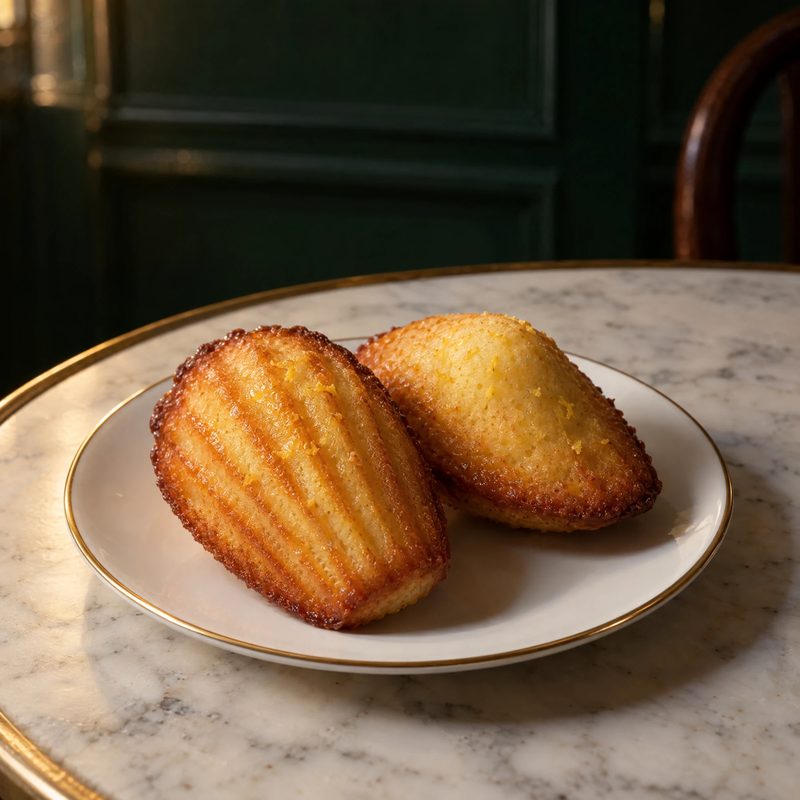
Proust Madeleine
Honey and lemon.
In Swann's Way, the first volume of Marcel Proust's novel, published in Paris in November 1913, the narrator dips a madeleine in tea and its taste brings back his childhood in the village of Combray. The scene made the small shell-shaped cake a byword for involuntary memory.
- 1920s
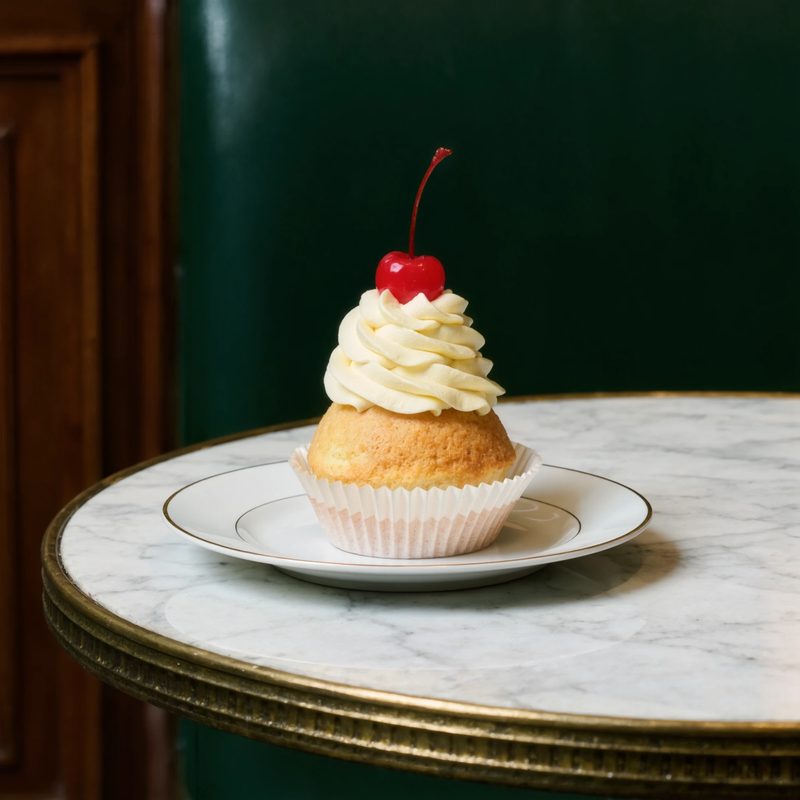
Nickel Charlotte Russe
Sponge and whipped cream in a frilled paper cup.
From roughly the 1920s to the 1950s, New York bakeries and candy stores sold charlotte russe: sponge cake under whipped cream, often with a cherry, in a cardboard cup with a push-up bottom. Recollections put the price at about a nickel.
- Today
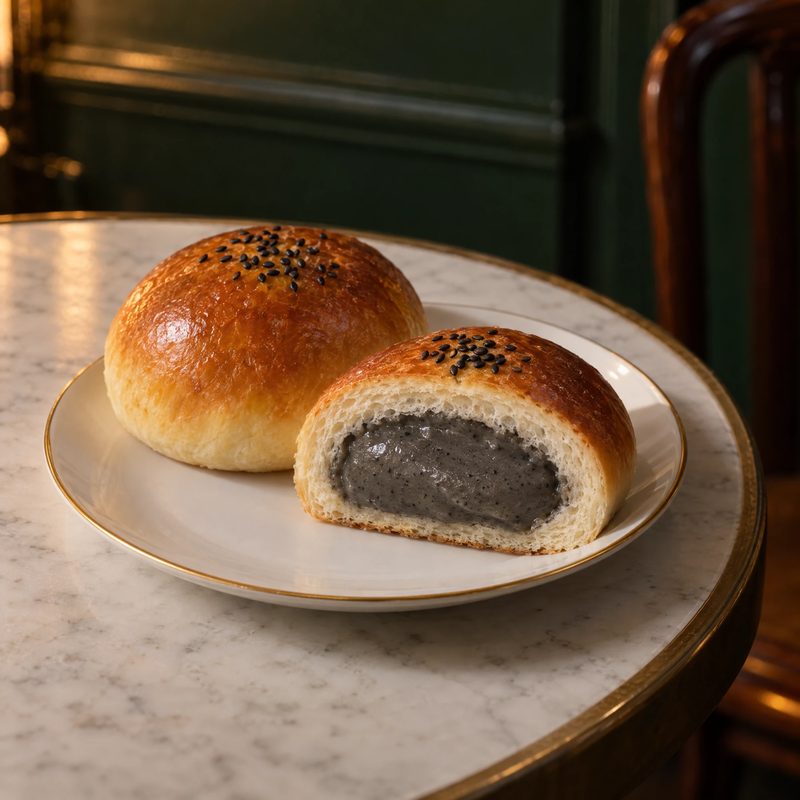
Black Sesame Cream Bun
A soft bun filled with black sesame custard.
Openly modern. Cream bread was first sold in Japan in 1904 by a Tokyo bakery that put custard cream in place of bean paste. In Korea, a 1964 cream bread is described as the first mass-produced one, and it became a childhood snack for a generation. The black sesame filling is our own.
Cakes by the slice
- 1925
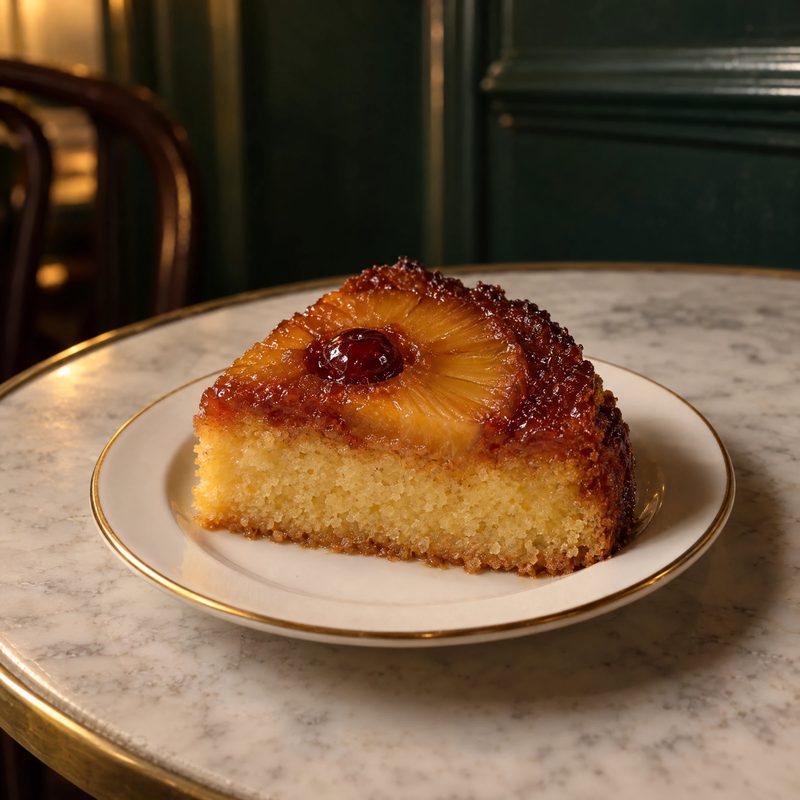
1925 Pineapple Upside-Down Cake
Caramelised pineapple and a brown sugar crumb.
In 1925 the Hawaiian Pineapple Company ran a national pineapple recipe contest. Of about 60,000 entries, some 2,500 were for pineapple upside-down cake, a figure the company later used in its advertising. Upside-down skillet cakes were older; the contest helped make the pineapple version a household standard.
- 1920s
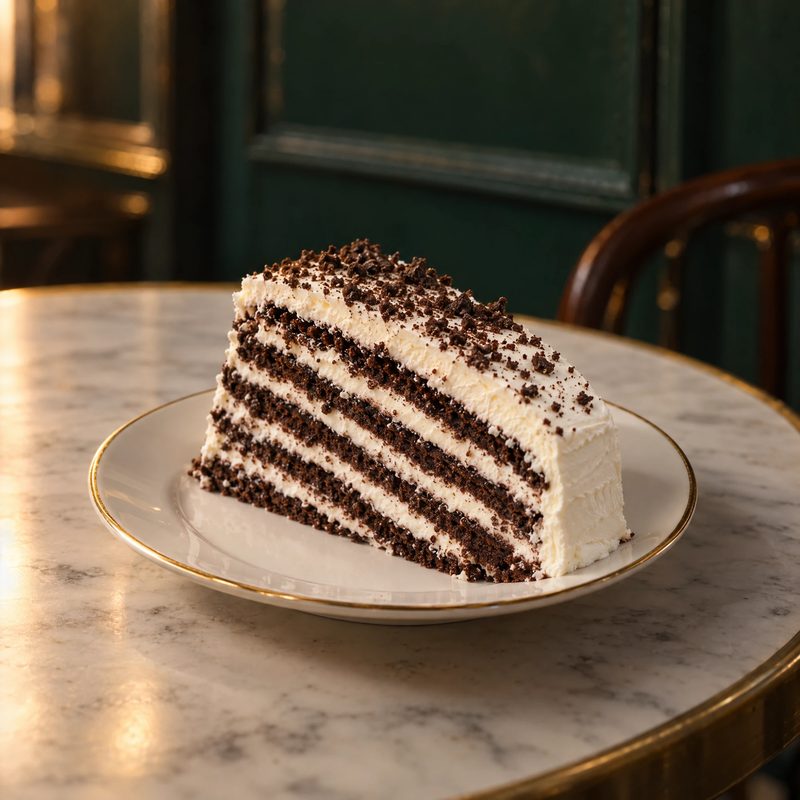
Monitor-Top Icebox Cake
Chocolate wafers layered with cream and set overnight.
Icebox cakes spread in the 1920s and 1930s, as electric refrigerators began to reach American homes; the Monitor-Top model came out in 1927. Packaged chocolate wafers appeared in 1924, and by 1929 an icebox cake recipe was printed on the box.
- c. 1900
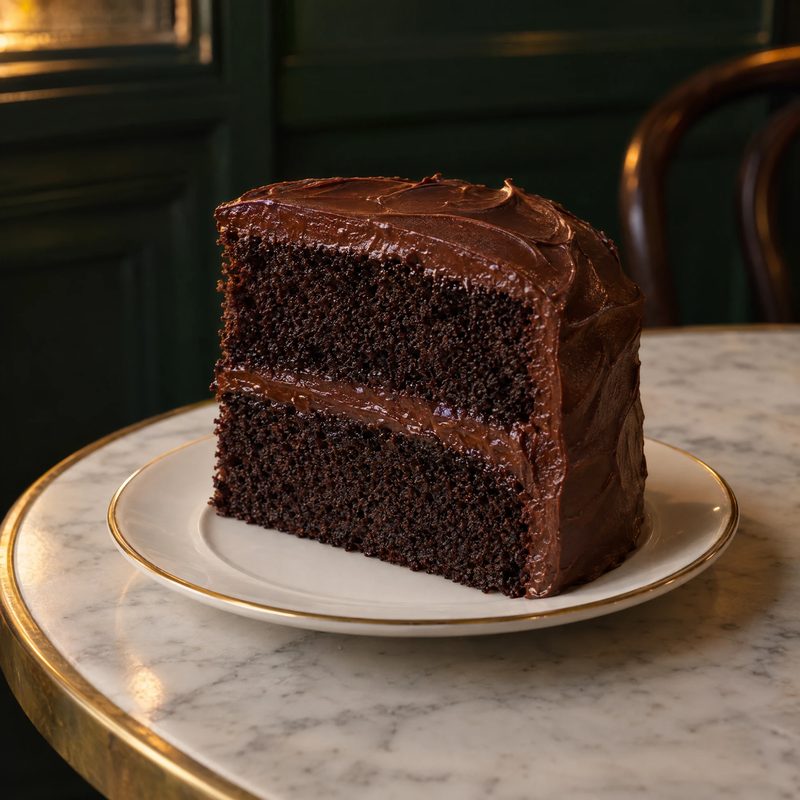
Devil's Food Cake
A dark chocolate layer cake.
Devil's food cake appears in American recipes around 1900. Sarah Tyson Rorer's cookbook of 1902 is often cited as the first printed recipe, but an Indiana newspaper printed one in 1898. The dark, rich cake was named as the opposite of the pale, airy angel food cake.
- 1832
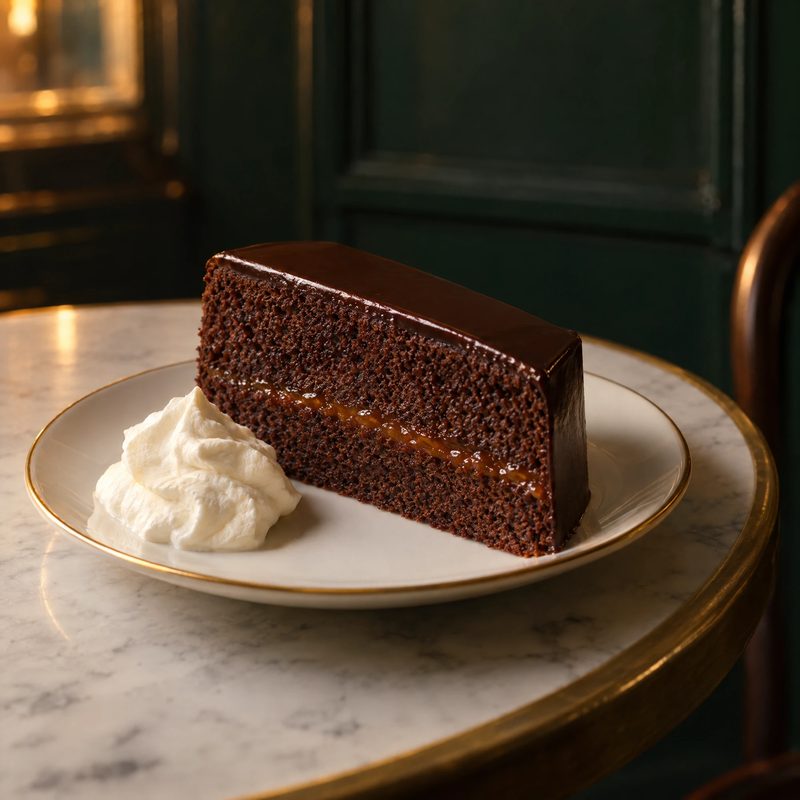
Viennese Chocolate Apricot Torte
Chocolate sponge, apricot jam and a dark glaze.
Vienna dates this style of chocolate cake, with apricot jam under a dark chocolate glaze, to 1832. By the best-known account, a sixteen-year-old apprentice created it for the household of the Austrian chancellor, Prince Metternich. It later became a staple of the city's coffeehouses.
- 1927
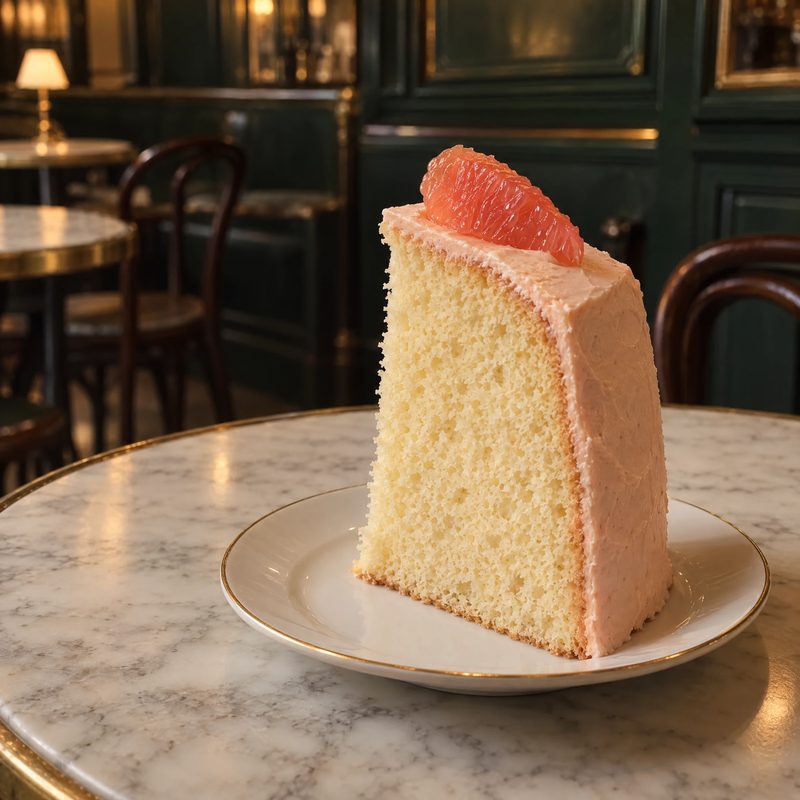
Hollywood Secret Chiffon
A grapefruit chiffon cake.
Chiffon cake was created in 1927 by a Los Angeles insurance salesman who baked for Hollywood clients and kept his method, vegetable oil in place of butter, secret for twenty years. A flour company bought the recipe in 1947 and published it in 1948 as "the first really new cake in 100 years."
Gyeongseong 1927
In the 1920s Seoul was Gyeongseong, under Japanese colonial rule, and many of the breads that reached Korea then came by way of Japan. We keep that history in view and bake them again with Korean ingredients.
- 1920s
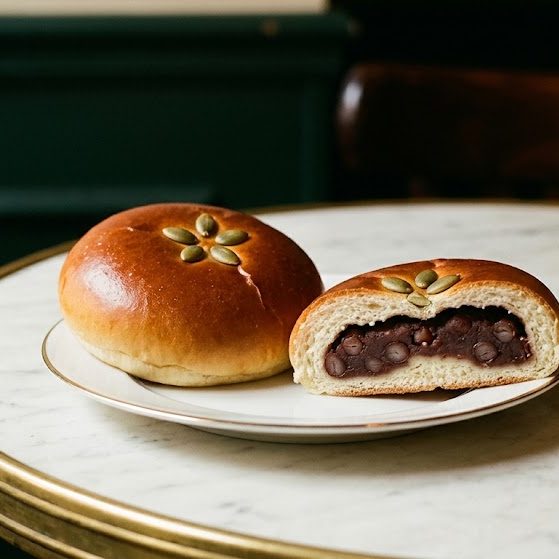
Whole Red Bean Bun
A soft bun filled with slow-cooked whole red beans, topped with toasted pumpkin seeds.
Anpan, a soft bread filled with sweet red bean paste, was created at a Tokyo bakery in 1874. It reached Korea by way of Japan, and under Japanese colonial rule (1910 to 1945) the red bean bun became one of the most popular breads: Western bread reshaped to Japanese taste.
- Today
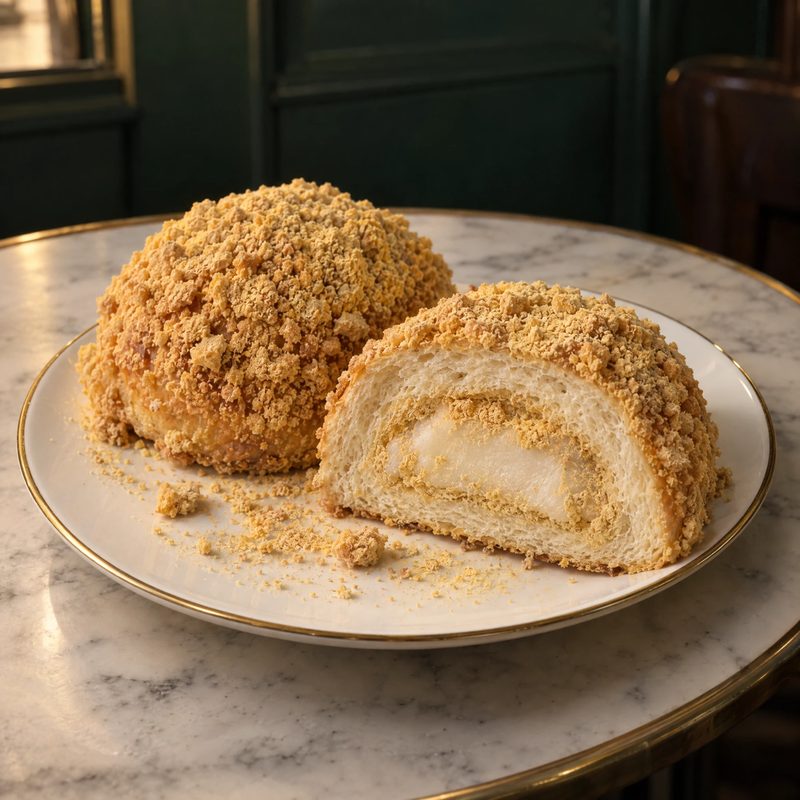
Injeolmi Soboro
A roasted soybean crumb with a rice cake centre.
Soboro bread is generally traced to German streusel, a sweet crumb topping. In Japan the crumb was called soboro, after a dish of finely crumbled seasoned meat or fish, and in Korea the bread became 곰보빵 (gomboppang). The roasted soybean crumb and rice cake centre are our own.
- Today
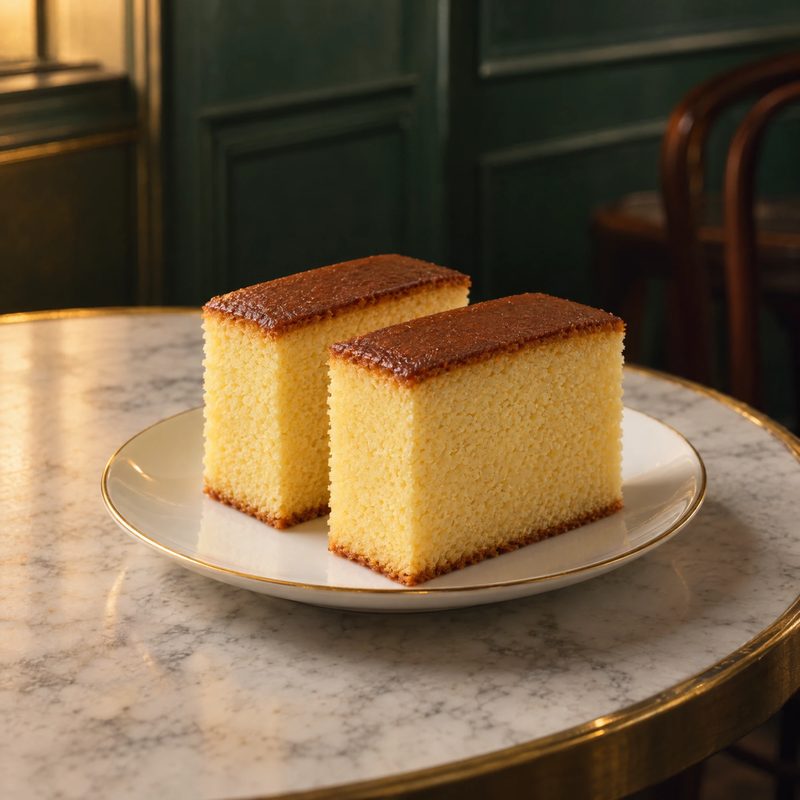
Korean Rice Castella
Castella made with Korean rice flour.
Castella reached Japan with Portuguese traders in the sixteenth century. Its Korean record is older than many expect: in 1720 the scholar Yi Gi-ji described a Western cake of sugar, eggs and flour in his Beijing travel diary, and in 1925 the Dong-a Ilbo printed castella recipes for Korean readers. Our rice-flour version is new.
Soda fountain
Daytime only, and all zero-proof. During American Prohibition (1920 to 1933) the soda fountain was where people met without alcohol.
- c. 1900
Chocolate Egg Cream
Milk, seltzer and chocolate syrup; despite the name, no egg and no cream.
The egg cream is a New York drink of milk, seltzer and chocolate syrup, sold at candy stores, luncheonettes and soda fountains. Its origin is disputed; the most cited account credits a Lower East Side candy-store owner around 1900. Where the name came from has never been settled.
- 1920s
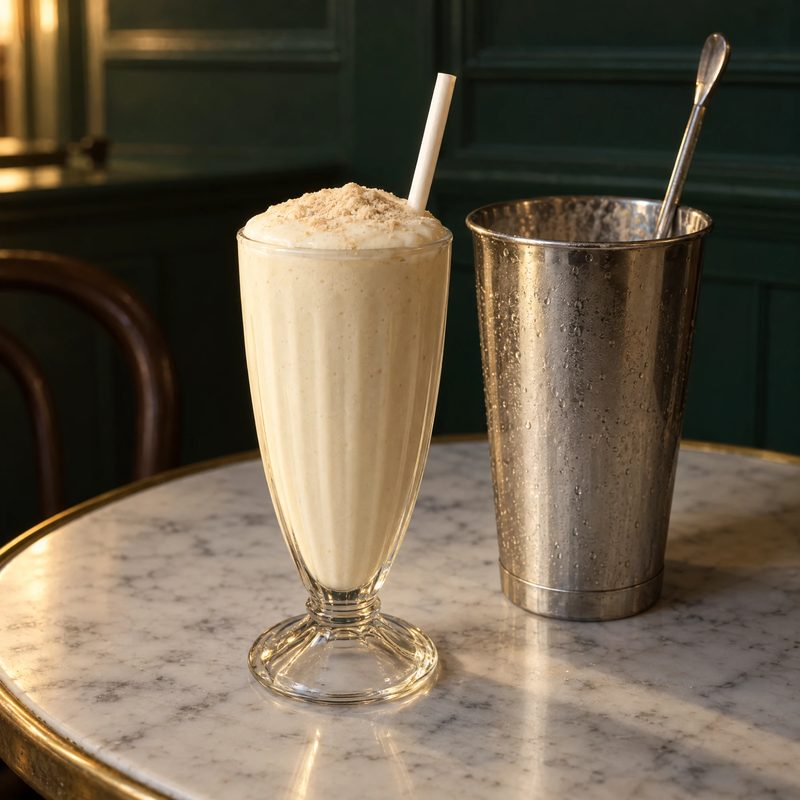
Malted Milk
Vanilla or chocolate.
Malted milk powder, made from malted barley, wheat and dried milk, was patented in Racine, Wisconsin, in 1883 as an easily digested food. Soda fountains later mixed it into drinks, and in 1922 a Chicago drugstore counter added ice cream to make the malted milkshake, which became a fountain favourite.
- Today
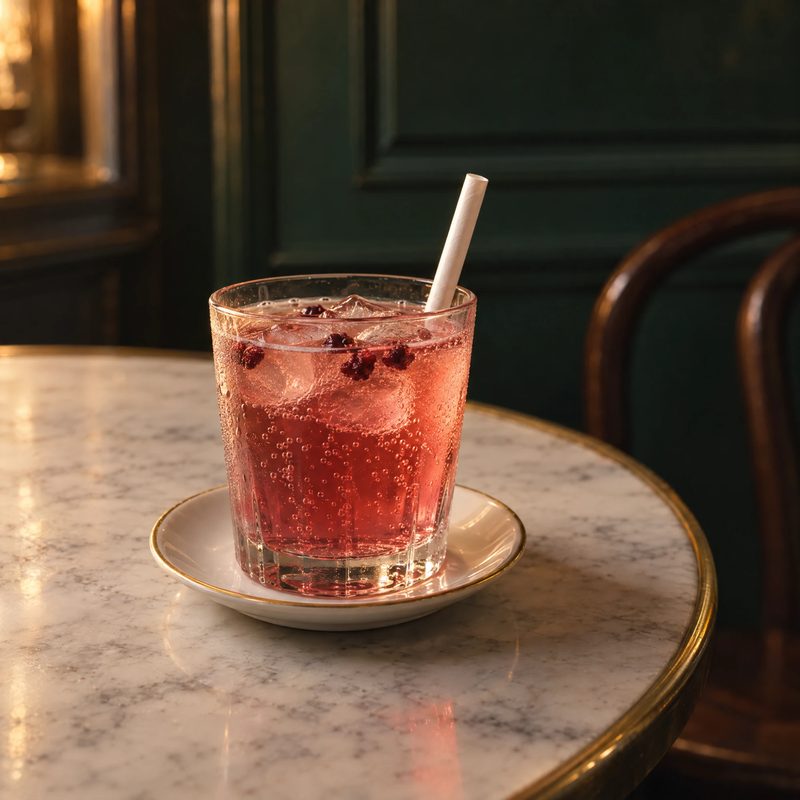
Omija Phosphate
A tart soda made with omija, the five-flavour berry.
Openly modern. From the 1880s to the 1930s American soda fountains added acid phosphate, a tart ingredient first sold as a health tonic in 1868, to flavoured sodas. Ours pairs it with omija (오미자, the five-flavour berry), which Joseon-era cooks made into a cold fruit punch, omija hwachae.
- Today
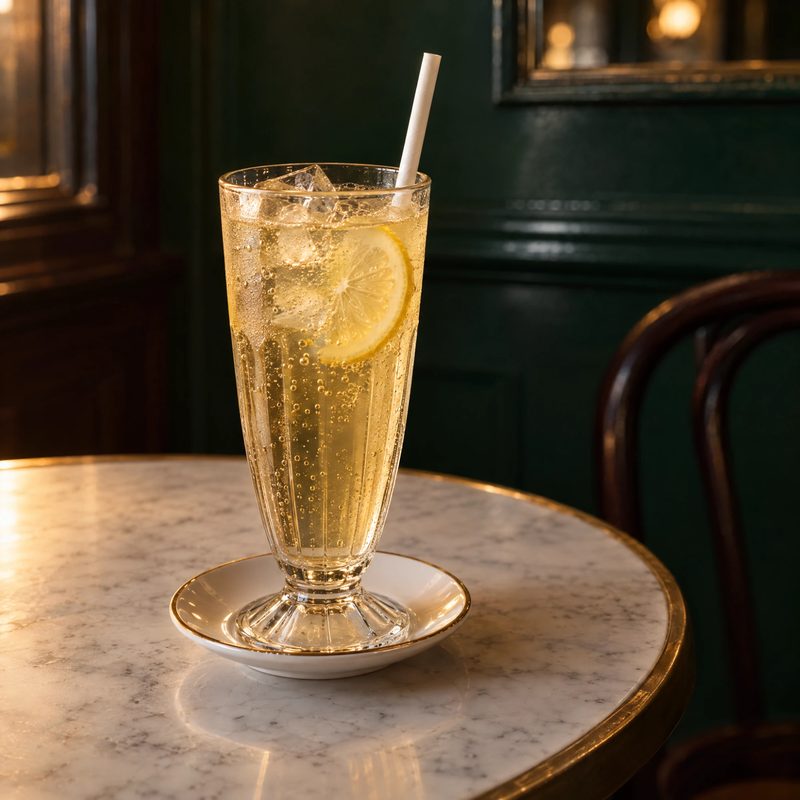
Honey-Lemon Soda
Honey, lemon and soda water.
Zero-proof. Honey, lemon and soda water, a simple fountain-style drink; we make no historical claim for it.
- 1927
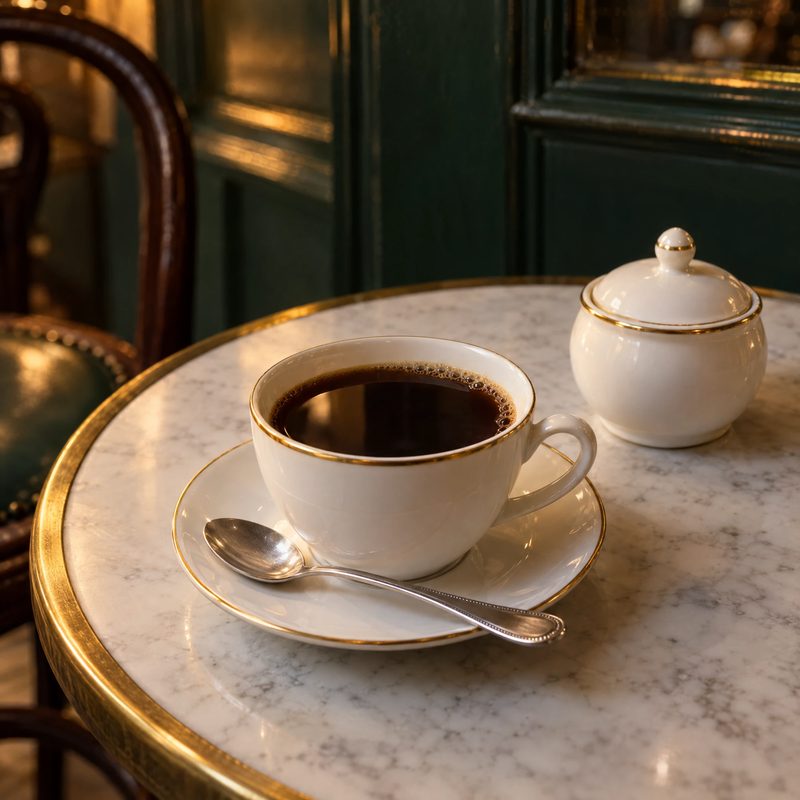
1927 House Blend
Drip or espresso.
In 1927, under Japanese colonial rule, the first Korean-run dabang (coffeehouse) opened in Gyeongseong. It was started by a film director and closed within months. Our house blend takes its year.